What Are Dental Sealants and How Do They Work?
Dental sealants are thin protective coatings placed on the chewing surfaces of back teeth, especially molars. These areas often contain small grooves and pits where food particles and bacteria can collect, making them harder to clean completely with regular brushing.
A sealant creates a smooth protective layer over these areas, helping reduce the chance of cavities developing in those hard-to-reach spaces.
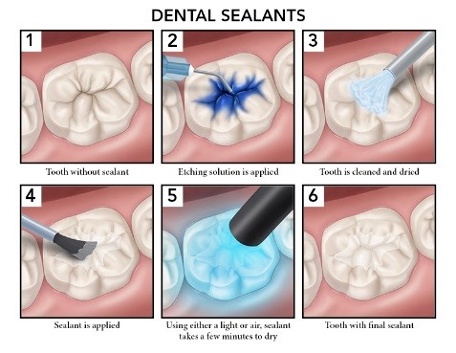
The dental sealant process usually includes:
- Cleaning the tooth surface – The tooth is cleaned to remove food particles and buildup.
- Preparing the tooth – A dental professional applies a preparation solution to help the sealant bond properly.
- Applying the sealant material – A thin coating is placed over the grooves of the tooth.
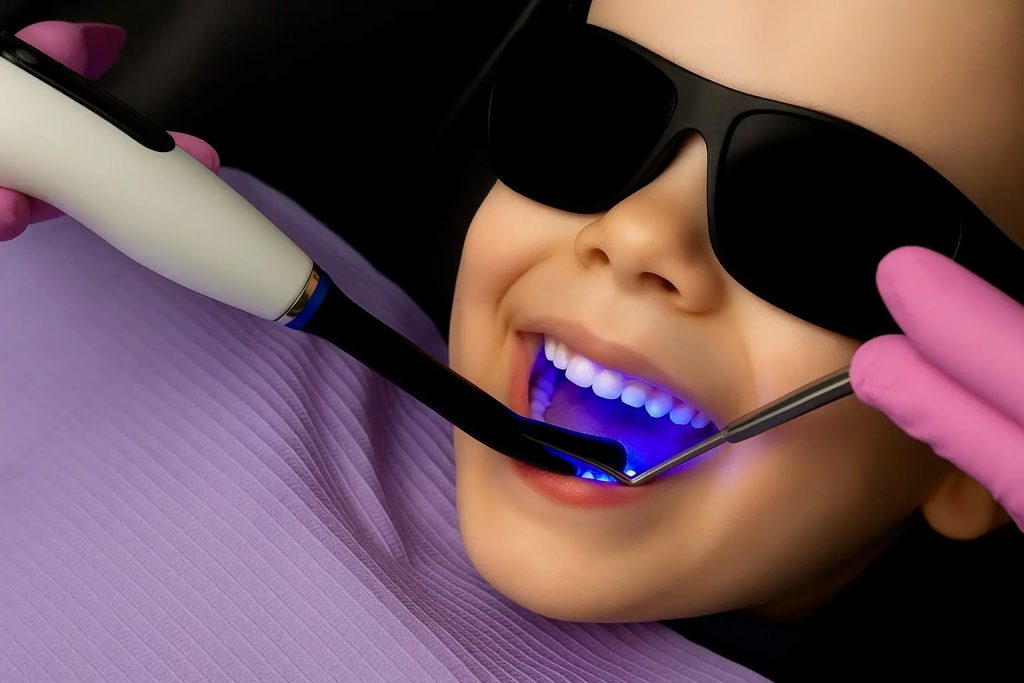
- Hardening the sealant – A special light may be used to help the material become firm.
The procedure is generally simple and does not involve removing tooth structure. Because children and teenagers are still developing brushing habits, dental sealants are often discussed as part of preventive dental care.
However, whether a child is a good candidate depends on different factors, including:
- Tooth development stage
- Oral hygiene habits
- Condition of the teeth
- Individual dental needs
A dental professional can help determine whether dental sealants may be suitable during a regular dental visit.
Why Are Dental Sealants Considered for Kids?
Children’s teeth go through many changes as they grow. Newly developed permanent molars often have deeper grooves that can be difficult to clean, even with regular brushing.
Toothbrush bristles may not always reach these narrow areas, allowing bacteria and food particles to remain on the tooth surface.
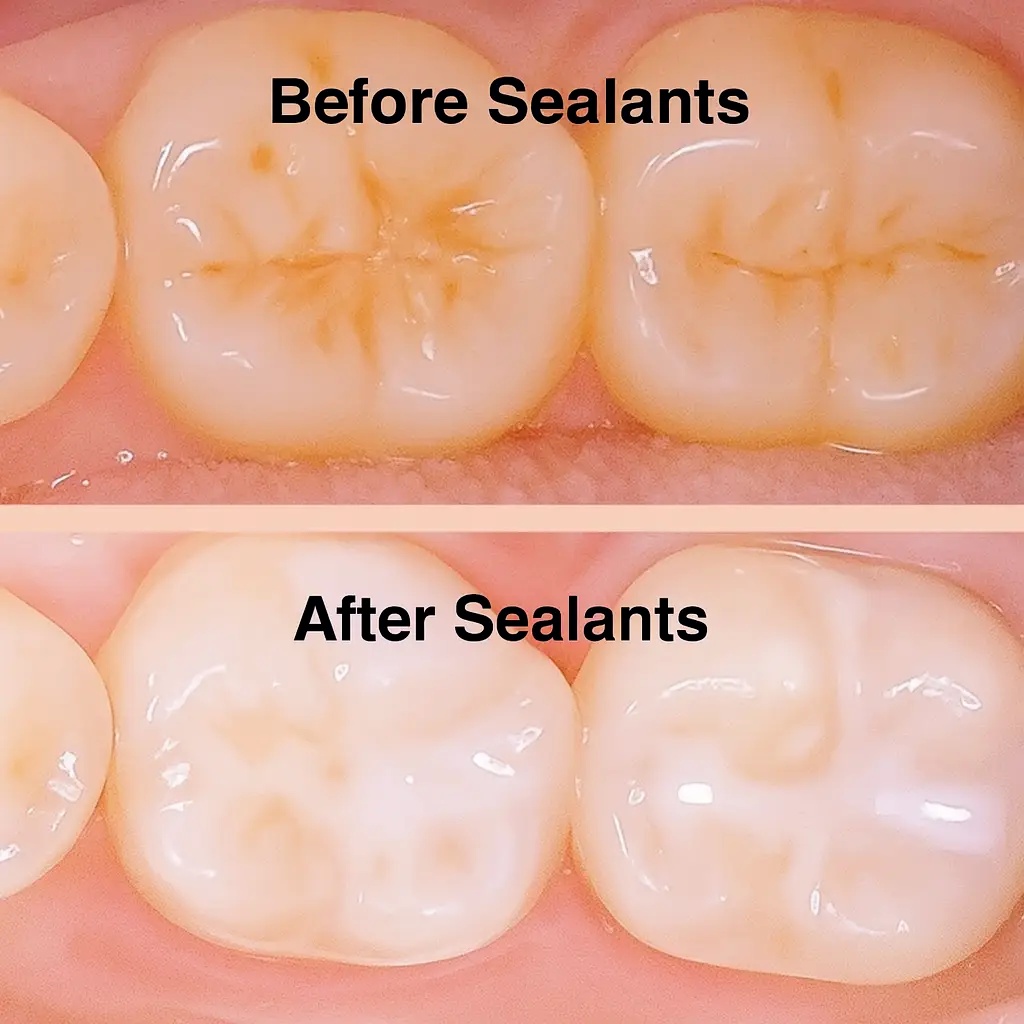
Dental sealants may be considered because they can:
- Create a protective barrier over deep grooves and pits.
- Support daily brushing habits by making certain tooth surfaces easier to maintain.
- Provide additional protection as children learn proper oral care routines.
Cavities can develop when bacteria in the mouth interact with sugars and create acids that affect tooth enamel over time.
A complete cavity prevention routine often includes:
• Brushing regularly with fluoride toothpaste
• Cleaning between teeth when recommended
• Maintaining balanced eating habits
• Having routine dental checkups
Dental sealants are one part of preventive care and are typically discussed alongside other healthy oral habits.
When Do Kids Usually Get Dental Sealants?
Dental sealants are often considered when permanent molars begin to appear. These teeth are important for chewing and may have natural grooves that collect food particles.
The timing can vary depending on each child’s dental development.
Common periods when sealants may be discussed include:
- Early school years – When the first permanent molars appear.
- Later childhood or teenage years – When additional permanent molars develop.
Not every child has the same dental needs. Factors that may influence recommendations include:
- The shape and depth of tooth grooves
- Previous dental history
- Brushing and cleaning routines
- Overall oral health condition
A dental professional can examine the teeth and provide guidance based on the child’s individual situation.
It is important to remember that dental sealants are not a replacement for daily oral care.
Children still benefit from:
- Regular brushing habits
- Proper cleaning techniques
- Routine dental visits
Combining different preventive approaches can help support better long-term oral care.
How Long Can Dental Sealants Last?
The durability of dental sealants can vary from child to child. Several factors may influence how long they remain effective, including chewing habits, tooth condition, and daily dental care routines.
During regular dental visits, professionals can check the condition of existing sealants and monitor whether they are still covering the intended areas.
Factors that may affect sealant longevity include:
- Normal chewing pressure
- Changes in tooth condition
- Daily oral hygiene habits
- Regular dental monitoring
If a sealant becomes worn or partially lost, a dental professional may discuss whether additional maintenance or replacement is appropriate.
Parents can help support their child’s overall dental health by encouraging:
- Consistent brushing routines
- Healthy food and drink choices
- Regular dental checkups
Dental sealants work best as part of a broader approach to maintaining healthy teeth.
Are Dental Sealants Safe for Children?
Dental sealants have been used in preventive dentistry for many years and are commonly discussed as an option for protecting children’s teeth.
The materials used and the application process may vary depending on dental practices and individual circumstances.
Parents who have questions about dental sealants can discuss topics such as:
- How the sealant process works
- What materials are used
- Whether sealants may be suitable for their child
Every child’s dental situation is different. Factors such as:
- Tooth development
- Existing dental conditions
- Oral hygiene habits
may influence whether dental sealants are recommended.
Regular dental checkups allow families to monitor changes and discuss different preventive care options.
Other Ways Parents Can Help Prevent Cavities
Dental sealants are only one part of cavity prevention. Developing strong oral hygiene habits from an early age can help children build routines that support healthy teeth.
Common cavity prevention habits include:
- Brushing twice daily with fluoride toothpaste
- Cleaning between teeth when appropriate
- Keeping regular dental appointments
- Choosing balanced meals and snacks
Diet can also play a role in oral health. Frequent exposure to sugary foods and drinks may contribute to conditions that affect teeth over time.
Parents can encourage healthier habits by:
- Offering water regularly
- Supporting balanced meals
- Helping children learn proper brushing techniques
Making dental care a normal part of everyday life can help children develop positive habits as they grow.
Understanding options like dental sealants allows parents to learn more about cavity prevention and make informed decisions with guidance from dental professionals.