Intro
Digital marketing is changing quickly. Short videos, social search, creator content, and mobile-first pages are reshaping how brands reach people online. Learn how modern strategies work before choosing the next step.
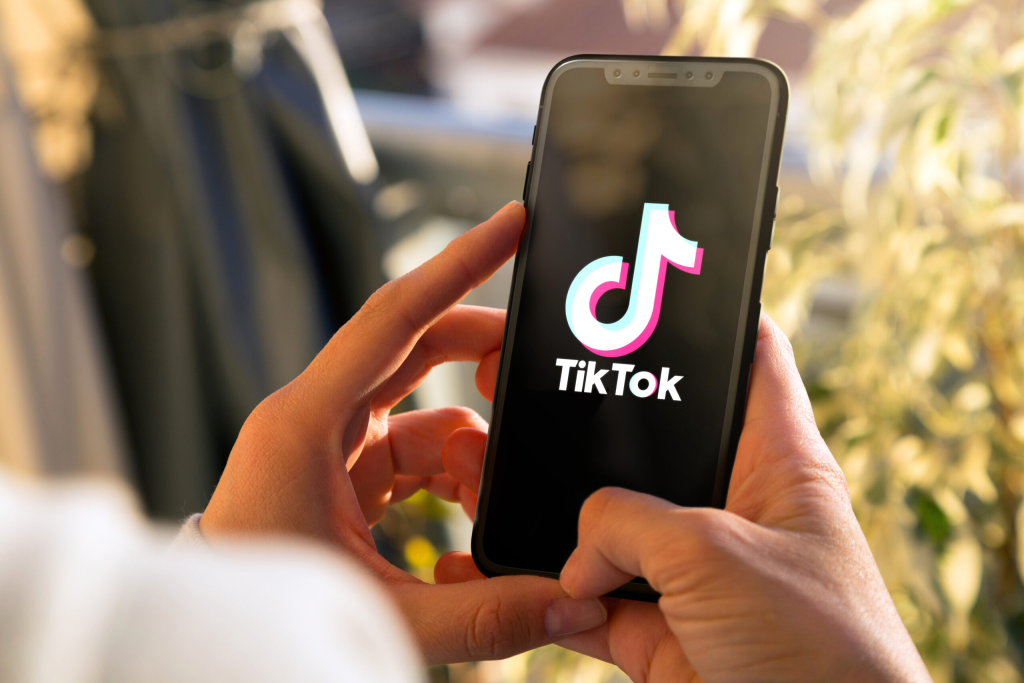
Short Videos Are Changing Online Marketing
Short-form video has become one of the most important parts of modern digital marketing. Platforms such as TikTok, Instagram Reels, and YouTube Shorts have changed how people discover brands, compare services, and decide what to explore next. Instead of waiting for users to search on a website, brands can now appear inside the content feed where attention is already active.
A strong short-video strategy is not only about making entertaining clips. It is about delivering one clear idea in a simple and fast way. Many effective videos begin with a direct opening, show a relatable situation, and explain one useful point before guiding viewers to continue reading or learning more. This makes the content easy to understand even when users are scrolling quickly on a mobile device.
For digital marketers, short videos can support several goals. They can introduce a service, explain a topic, answer common questions, or lead users toward a landing page. Captions, on-screen text, simple demonstrations, and creator-style storytelling can make the message feel more natural. When these videos are tested and compared with real performance data, they become more than social posts. They become part of a complete marketing funnel that connects attention, interest, and action.
Social Search Helps People Find Brands Faster
More users now search directly inside social platforms. They may look for tutorials, reviews, comparisons, how-to guides, or real-life examples before visiting a website. This change has made social search an important part of digital marketing. A brand that only focuses on traditional search may miss users who prefer to discover information through short videos and creator posts.
To improve visibility, marketers can use natural keywords in several places. These include video captions, spoken scripts, on-screen text, profile descriptions, and comment replies. The goal is not to overload the content with keywords. The goal is to make each video easy for both users and platform systems to understand. Clear wording helps the content appear more relevant when people search for related topics.
Social search also works well with landing pages. A user may first see a short video, then click to read more about the topic. The landing page should continue the same message with a clear headline, simple sections, and useful explanations. When the video and landing page match, the experience feels smoother. This can help users stay longer, understand the topic better, and move through the page with less confusion.
Creator Content Builds Stronger Trust
Creator-style content plays a major role in digital marketing because it often feels more personal and easier to understand than traditional ads. Many users respond well to videos that look natural, show real examples, or explain a topic in everyday language. A creator does not always need to be a major influencer. Smaller creators, customer-style videos, and educational clips can also help make a brand message feel more relatable.
This type of content can be useful for many industries. A creator may explain how a service works, show a product in use, compare common options, or answer questions that users often have before making a decision. These formats can reduce confusion and make the next step feel clearer. For brands, creator content can also provide different angles for testing, because each creator may present the same topic in a slightly different way.
When connected with a landing page, creator content can help prepare the user before they click. A short video may introduce the main idea, while the landing page provides more details. This combination works best when the message is consistent. If the video promises one topic but the page shows something different, users may leave quickly. A clear match between content and page can improve the overall experience.
Data Shows What Actually Works
Digital marketing should not rely only on views or likes. These numbers can show that content reached people, but they do not always show whether users were interested enough to continue. More useful signals may include watch time, saves, shares, comments, click behavior, and landing page engagement. These metrics can help marketers understand which messages attract meaningful attention.
Testing is an important part of the process. A campaign may compare different hooks, video styles, captions, thumbnails, headlines, and page layouts. Some audiences may respond better to educational content, while others may prefer comparison-style videos or simple problem-solution formats. Over time, data can show which creative direction deserves more focus.
Landing pages also need to be tested. A strong page should be easy to read on mobile, with a clear headline, short introduction, organized sections, and simple calls to action. The page should not overwhelm visitors with too much information at once. Instead, it should guide them step by step from the main idea to supporting details. When the ad, video, and page are aligned, the full marketing path becomes easier to measure and improve.
Explore Modern Digital Marketing Strategies
Digital marketing now combines content, search behavior, creator trust, mobile design, and data analysis. Short videos can capture attention, social search can increase discovery, creator content can explain ideas naturally, and landing pages can help users continue learning. Understanding how these parts work together can make online marketing more organized and easier to evaluate.