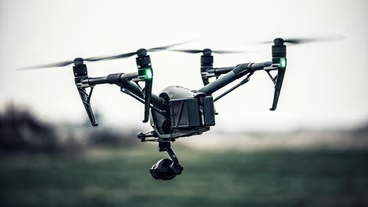
Drones, or unmanned aerial vehicles (UAVs), have emerged as one of the most intriguing innovations of the 21st century. These flying machines have evolved from military assets to everyday gadgets used in various industries. In this article, we will explore the history and evolution of drones, their diverse applications, the benefits they offer, the challenges that come with their use, the regulatory landscape governing them, and future trends in this rapidly growing field.
A brief history of drones
Drones have a rich history dating back to World War I, where the first drone, known as the Kettering Bug, was developed for training purposes. However, it was not until World War II that drones began to be used for reconnaissance and target practice.
The evolution of drones gained significant momentum in the early 2000s with advancements in technology. The U.S. military began using drones like the MQ-1 Predator for surveillance and combat operations. This marked a shift as drones became essential tools for military strategy, paving the way for civilian applications.
By the late 2000s and early 2010s, consumer-grade drones began entering the market. Companies like DJI led the way, making drones affordable and accessible to the average consumer. Today, drones are equipped with sophisticated sensors and cameras, enabling a wide range of functionalities.
Diverse applications of drones
Drones are widely used in various sectors, showcasing their versatility. In agriculture, drones equipped with multispectral cameras help farmers monitor crop health, manage irrigation, and ensure the effectiveness of fertilizers and pesticides.
In construction, drones facilitate site surveys, monitor progress, and provide aerial images that enhance project management. They can quickly assess areas that may be dangerous for human workers.
The film industry has also embraced drones for aerial shots, providing filmmakers with stunning visuals that were once costly and time-consuming to achieve. Beyond entertainment, drones are being utilized in disaster relief efforts, providing real-time data to aid in response strategies following natural disasters.
The benefits of drone technology
The rise of drone technology has brought numerous benefits. One of the foremost advantages is efficiency. Drones can cover large areas quickly, saving time and reducing labor costs.
They also enhance safety in various applications. For instance, drones can inspect wind turbines and power lines without putting workers at risk. This capability not only protects human life but also reduces operational downtime.
Drones contribute significantly to data collection. Businesses can gather precise information about processes, inventory, and environmental conditions, thereby enhancing decision-making and operational efficiency.
Challenges and considerations in drone usage
Despite their benefits, drones come with challenges. Privacy concerns are prevalent as drones can capture images and videos without consent, raising ethical questions about surveillance.
Regulatory issues also pose challenges. The Federal Aviation Administration (FAA) has implemented regulations to ensure safe drone operations, requiring registration and adherence to specific guidelines. As drone usage grows, these regulations will likely evolve.
Moreover, technical limitations such as battery life, payload capacity, and navigation capabilities can impact the performance of drones, necessitating continuous advancements in technology.
Future trends in drone technology
As technology advances, the future of drones looks bright. One exciting trend is the growing use of drones for delivery services. Companies like Amazon and UPS are exploring drone delivery systems that could revolutionize last-mile logistics.
Integration with artificial intelligence (AI) is another trend. AI can enhance drone capabilities, allowing for automated navigation, object detection, and real-time decision-making. This could pave the way for more autonomous operations across various industries.
Furthermore, drones are expected to play a bigger role in environmental monitoring. They can gather data to monitor wildlife, deforestation, and climate change, serving as valuable tools in sustainability efforts.
Drones have come a long way from their military origins to becoming integral tools in numerous industries. Their applications span agriculture, construction, film, and disaster relief, offering benefits like increased efficiency, safety, and data collection.
However, they also present challenges, including privacy concerns and regulatory hurdles. Looking ahead, innovations in drone technology promise to reshape delivery services, enhance autonomy through AI, and aid in environmental monitoring. As drones continue to evolve, they will undoubtedly impact various aspects of our lives, making it essential to stay informed about their advancements and implications.