Lasers have become indispensable in various industries, from manufacturing to healthcare. They are used for cutting, welding, engraving, and even medical procedures. Yet, selecting the right laser supplier can be daunting. This article will guide you through the different aspects of laser suppliers: what they offer, how to choose the right one, top suppliers in the market, industry applications, the future of laser technology, and tips for building a long-term relationship with suppliers.
Understanding laser suppliers
Laser suppliers provide a range of products and services related to laser technology. They offer everything from industrial lasers used in manufacturing to medical lasers employed in outpatient services. Suppliers may focus on specific areas, such as high-power lasers for cutting metals or low-power lasers for cosmetic procedures.
The products offered by these suppliers vary significantly. Some specialize in laser equipment, including CO2, fiber, and diode lasers. Others may provide ancillary services like maintenance, training, and technical support. The goal is to help customers maximize their investment in laser technology by providing quality products and expert advice. Furthermore, many suppliers also focus on research and development, ensuring that they stay ahead in a rapidly evolving field. Many companies provide online platforms to help clients identify the best laser solutions for their businesses.
How to choose the right laser supplier
Selecting the right laser supplier can be a game-changer for a business. It’s important to assess your needs before making a decision. Evaluate the specific applications you need the laser for—do you need cutting, engraving, or medical applications? Once your requirements are clear, consider the following factors when choosing a supplier.
- Reputation: Research potential suppliers by reading reviews or case studies. A reputable supplier often stands out through positive testimonials and a track record of excellence.
- Product Range: Ensure that the supplier offers a range of products suitable for your specific tasks. It’s beneficial to have options that cover different applications so you can adapt as your needs evolve.
- Customer Support: A supplier should provide not just sales but also robust after-sales support and training. Ensure they are available for troubleshooting and maintenance.
- Technology and Innovation: Stay abreast of technological advancements. Select a supplier committed to ongoing R&D to assure your equipment remains competitive.
Top laser suppliers in the market
Various companies are leading the way in the laser technology sector, each specializing in different aspects of the market.
- CNC Concepts: Known for its high-quality CNC laser cutting machines. Their equipment is renowned for precision and versatility in manufacturing settings.
- TRUMPF: A giant in the industry, TRUMPF offers advanced laser technology that caters to different sectors, including medical and automotive. Their commitment to innovation has set industry standards.
- Synrad: They produce CO2 lasers that are widely recognized for their reliability in marking and cutting applications.
- Coherent: Coherent specializes in industrial lasers and systems, serving industries from microelectronics to medical devices. Their laser systems are celebrated for their robustness and performance. Evaluating these suppliers against your needs can streamline your selection process.
Industry applications of lasers
Lasers have found applications in industries ranging from manufacturing to healthcare. Here’s a brief overview of how they are used across sectors:
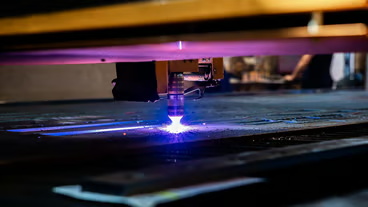
- Manufacturing: Lasers are integral in cutting and welding processes. They provide high precision, which is essential in sectors like automotive and aerospace. Their ability to work with various materials, including metals and plastics, enhances their utility.
- Medical: The medical industry harnesses lasers for procedures such as LASIK eye surgery, cosmetic surgeries, and dermatological treatments. Their precision minimizes recovery time and damage to surrounding tissues.
- Jewelry: In jewelry making, lasers offer intricate engraving capabilities, allowing artisans to create detailed designs that enhance aesthetics.
- Military and Defense: Laser technology is used in navigation, target acquisition, and stealth technology, illustrating its versatility and significance. As industries innovate, lasers continue to shape practices and enhance productivity.
The future of laser technology
The future of lasers is bright, with ongoing research paving the way for breakthrough applications. Experts predict that the global laser market could reach $16 billion by 2027, driven by advancements in technology and increased adoption across industries.
Emerging trends such as the development of solid-state lasers and quantum cascade lasers are gaining momentum in sectors like telecommunications. As these technologies evolve, they promise higher efficiency and more compact designs, expanding the possibilities of laser applications.
Additionally, artificial intelligence is expected to integrate more with laser systems, enabling smarter manufacturing and medical procedures. This combination could lead to real-time monitoring and adjustments during processes, ensuring optimal performance and safety.
Sustainability is another focus area, with eco-friendly laser technologies being favored to minimize energy consumption and waste. Suppliers that prioritize sustainable practices will likely hold an advantage in the marketplace.
Building a long-term relationship with your supplier
Establishing a successful partnership with a laser supplier is crucial for maximizing your investment. Here are some practical tips for fostering a strong relationship:
- Open Communication: Maintain an open dialogue with your supplier. Regularly update them on your needs, challenges, and future projects. This helps them understand your priorities and offer tailored solutions.
- Feedback: Provide constructive feedback on products and services. This will help the supplier improve and adapt to your needs better.
- Engagement in Training: Participate in training sessions provided by the supplier. Training not only enhances your team’s skill set but shows commitment, building trust and collaboration.
- Long-term Planning: Work with your supplier to align your long-term goals. When both parties have a shared vision, it strengthens the relationship and leads to fruitful collaboration in the future.
Understanding laser suppliers is key to leveraging laser technology effectively. From identifying the right supplier to exploring industry applications, knowing the landscape can empower users across different sectors. With continuous innovations and a strong focus on sustainability, the future of laser technology promises exciting advancements. Building long-term partnerships with suppliers fosters collaboration and enhances operational success.