In 2025, laser skin treatment stands as a cornerstone of modern cosmetic dermatology. Driven by technological advancements and increasing demand for non-invasive aesthetic solutions, laser treatments address a wide spectrum of skin concerns, from wrinkles and sun damage to acne scars and unwanted hair. This comprehensive guide delves into the various types of laser skin treatments available, providing essential information for those considering these procedures. Understanding the nuances of each treatment, their benefits, potential risks, and long-term maintenance is crucial for making informed decisions and achieving optimal results. This article will navigate the complex landscape of laser skin treatments, equipping you with the knowledge necessary to confidently explore your options and consult with qualified professionals.
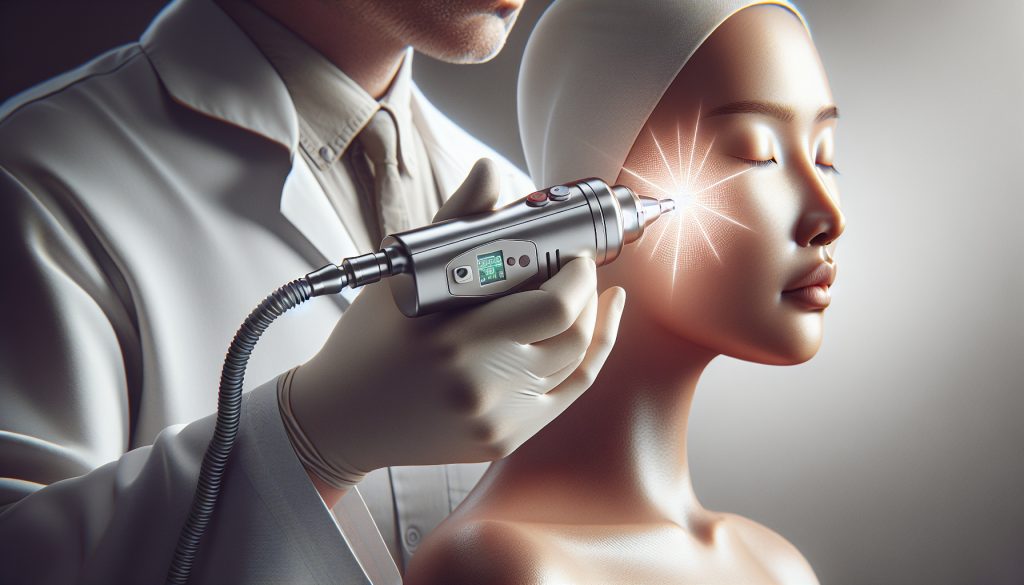
Laser skin treatments have become increasingly sophisticated, offering targeted solutions for numerous skin imperfections. This guide provides an in-depth look at the different types of laser treatments, helping you understand which might be suitable for your specific needs. We’ll also cover essential considerations for selecting a qualified practitioner and managing expectations.
Understanding Different Types of Laser Skin Treatments
Laser skin treatments use focused beams of light to target specific chromophores (color-absorbing molecules) in the skin. Different wavelengths and delivery methods are used to achieve various effects, from superficial resurfacing to deeper tissue remodeling.
Ablative vs. Non-Ablative Lasers
The primary distinction lies in whether the laser removes the outer layer of skin (epidermis). Ablative lasers, like CO2 and Erbium lasers, vaporize the skin cells, leading to more dramatic results but also longer recovery times. Non-ablative lasers, such as pulsed dye lasers and Nd:YAG lasers, heat the underlying tissue without removing the surface layer. They typically require multiple sessions but have less downtime.
- Ablative Lasers: Effective for deep wrinkles, severe sun damage, and scars. CO2 lasers offer intense resurfacing, while Erbium lasers provide a more controlled approach. Recovery can take several weeks.
- Non-Ablative Lasers: Best for fine lines, mild sun damage, and skin tightening. They stimulate collagen production without significant epidermal disruption. Downtime is minimal.
Common Laser Types and Their Applications
Here’s a breakdown of specific laser types and what they’re commonly used for:
- CO2 Laser: Gold standard for wrinkle reduction, scar revision, and overall skin resurfacing. Can be fully ablative or fractional. [Informational Link to American Society for Dermatologic Surgery CO2 Laser Information](https://www.asds.net/skin-experts/skin-treatments/co2-laser-resurfacing)
- Erbium Laser: Another ablative option, gentler than CO2, suitable for moderate wrinkles and sun damage. [Informational Link to Mayo Clinic Erbium Laser Information](https://www.mayoclinic.org/tests-procedures/laser-resurfacing/about/pac-20384774)
- Pulsed Dye Laser (PDL): Targets blood vessels, effective for treating redness, rosacea, and port-wine stains.
- Nd:YAG Laser: Versatile laser used for hair removal, vascular lesions, and skin tightening. Wavelengths can penetrate deeply.
- Alexandrite Laser: Primarily used for hair removal, but also effective for treating pigmented lesions.
- Fractional Lasers: Deliver laser energy in tiny columns, leaving surrounding tissue intact for faster healing. Can be ablative or non-ablative.
Practical Guidance: Choosing the Right Laser Treatment
Selecting the appropriate laser treatment requires careful consideration of your skin type, concerns, and desired outcomes. Here’s a step-by-step guide:
- Identify Your Skin Concerns: What specific skin issues do you want to address? Wrinkles, acne scars, sun damage, redness, or unwanted hair?
- Determine Your Skin Type: Laser treatments can affect different skin types differently. A Fitzpatrick skin type assessment can help determine your skin’s sensitivity to UV radiation and potential for post-inflammatory hyperpigmentation (PIH).
- Research Different Laser Options: Based on your skin concerns and type, research which lasers are most effective and safest. Consult reputable sources and avoid promotional materials.
- Schedule Consultations with Qualified Professionals: Seek out board-certified dermatologists or plastic surgeons with extensive experience in laser skin treatments.
- Discuss Your Goals and Expectations: Be open and honest with your provider about your desired results and any concerns you may have.
- Evaluate the Practitioner’s Credentials and Experience: Verify their board certification, training, and experience with the specific laser treatment you’re considering. Ask to see before-and-after photos of their previous patients.
- Understand the Risks and Benefits: Discuss the potential risks, side effects, and recovery time associated with the treatment.
- Inquire About Pre- and Post-Treatment Care: Follow your provider’s instructions carefully to minimize risks and optimize results.
Long-Term Considerations and Maintenance
Laser skin treatments are not one-time fixes. Maintaining the results and preventing future damage requires ongoing care and commitment. Here are some long-term considerations:
- Sun Protection: Sun exposure is the biggest enemy of healthy skin. Wear broad-spectrum sunscreen with an SPF of 30 or higher daily, even on cloudy days. Reapply every two hours when outdoors.
- Skincare Routine: Establish a consistent skincare routine that includes gentle cleansing, moisturizing, and targeted treatments for your specific skin concerns. Consider incorporating antioxidants like vitamin C and retinoids (if tolerated) to protect against environmental damage and stimulate collagen production.
- Maintenance Treatments: Depending on the laser treatment you received, you may need periodic maintenance sessions to sustain the results. For example, non-ablative laser treatments may require yearly touch-ups.
- Lifestyle Factors: Avoid smoking, excessive alcohol consumption, and other lifestyle factors that can accelerate skin aging.
- Managing Expectations: Understand that laser treatments can improve your skin’s appearance, but they cannot stop the aging process. Realistic expectations are crucial for satisfaction.
Potential Risks and Side Effects
While generally safe when performed by qualified professionals, laser skin treatments carry potential risks and side effects. These can include:
- Redness and Swelling: Common side effects that typically subside within a few days to weeks.
- Pigment Changes: Hyperpigmentation (darkening of the skin) or hypopigmentation (lightening of the skin) can occur, especially in individuals with darker skin tones.
- Scarring: Rare, but possible, especially with aggressive ablative lasers.
- Infection: Proper wound care is essential to prevent infection.
- Blistering: Can occur with ablative lasers or excessive energy settings.
- Acne Flare-ups: Laser treatments can sometimes trigger acne breakouts.
It’s crucial to discuss these potential risks with your provider and understand how to minimize them.
Cost Considerations
The cost of laser skin treatments can vary widely depending on the type of laser, the area being treated, and the provider’s fees. Here’s a general overview:
| Laser Treatment | Average Cost per Session (2025 Estimates) | Number of Sessions Typically Required |
|---|---|---|
| CO2 Laser Resurfacing | $1,500 – $3,000 | 1-2 |
| Erbium Laser Resurfacing | $1,000 – $2,000 | 1-3 |
| Pulsed Dye Laser (PDL) | $300 – $600 | 3-5 |
| Nd:YAG Laser | $200 – $800 | 3-6 |
| Alexandrite Laser (Hair Removal) | $100 – $400 | 6-8 |
| Fractional Laser | $500 – $1,500 | 3-5 |
Keep in mind that these are just estimates, and the actual cost may vary. It’s important to get a detailed quote from your provider before proceeding with treatment.
The Future of Laser Skin Treatment
The field of laser skin treatment is constantly evolving, with new technologies and techniques emerging regularly. Expect to see further advancements in fractional lasers, combination therapies, and personalized treatment approaches tailored to individual skin types and concerns. AI-powered diagnostics may also play a larger role in assessing skin conditions and optimizing laser settings for enhanced efficacy and safety. [Informational Link to National Institutes of Health on Laser Technology]
FAQ (Frequently Asked Questions)
- Q: How long does it take to see results from laser skin treatment?
- A: The timeline varies depending on the type of laser. Ablative lasers offer more immediate results, but require longer healing times. Non-ablative lasers typically require multiple sessions with gradual improvement over several weeks or months.
- Q: Is laser skin treatment painful?
- A: Pain levels vary depending on the type of laser and individual tolerance. Most providers use topical numbing creams to minimize discomfort. Ablative lasers can be more painful, and some patients may require oral pain medication.
- Q: Can laser skin treatment completely remove wrinkles?
- A: While laser skin treatment can significantly reduce the appearance of wrinkles, it may not completely eliminate them. The degree of improvement depends on the depth and severity of the wrinkles, as well as the type of laser used.
- Q: Are there any contraindications for laser skin treatment?
- A: Certain conditions can make laser skin treatment unsafe. These include pregnancy, active skin infections, certain medications (like isotretinoin), and a history of keloid scarring. It’s essential to discuss your medical history with your provider before undergoing treatment.
- Q: How do I find a qualified laser skin treatment provider?
- A: Look for board-certified dermatologists or plastic surgeons with extensive experience in laser skin treatments. Verify their credentials, training, and experience, and ask to see before-and-after photos of their previous patients.
Disclaimer: This information is for informational purposes only and does not constitute medical advice. Consult with a qualified healthcare professional before undergoing any laser skin treatment. Prices are accurate as of 2025 and may vary depending on location and provider.
Sources
Laser skin treatments offer a wide array of options for addressing various skin concerns. Understanding the different types of lasers, their applications, and potential risks is essential for making informed decisions. Choosing a qualified and experienced provider, setting realistic expectations, and adhering to a consistent skincare routine are crucial for achieving optimal and long-lasting results. Always prioritize sun protection and consider maintenance treatments to sustain the benefits of your laser treatment investment.