Exploring flexible mobile phone acquisition options for consumers seeking budget-friendly solutions without long-term commitments.
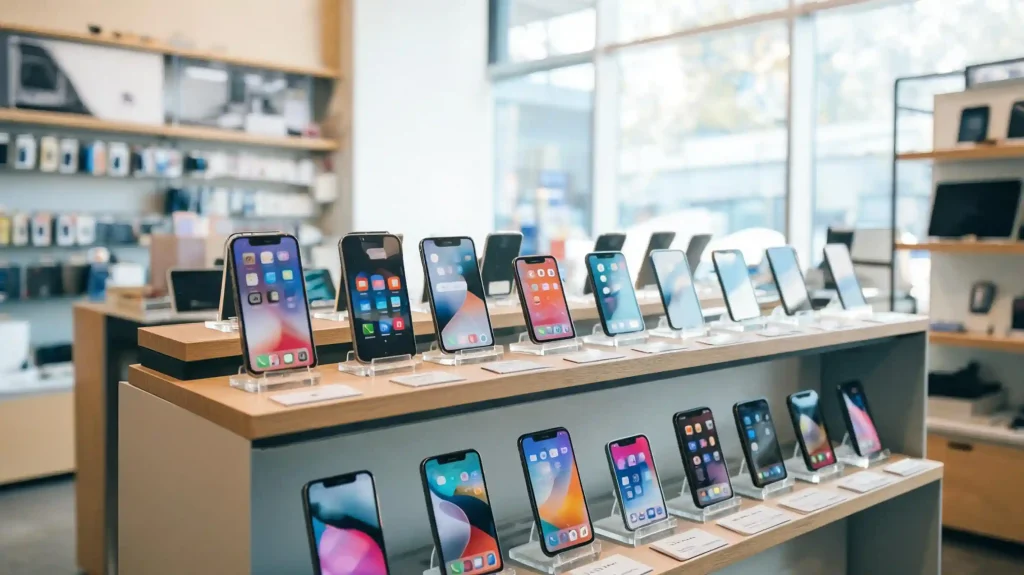
The rent-to-own phone market has emerged as a practical solution for many Americans who need immediate access to modern smartphones but prefer flexible payment structures over traditional carrier contracts. This approach allows consumers to use smartphones while building ownership through manageable installment payments, particularly beneficial for those with limited credit history or unpredictable income streams.
Understanding Rent-to-Own Phone Models
Rent-to-own phone programs operate on a simple premise: consumers select their desired smartphone model and agree to regular payments over a specified period, typically ranging from 12 to 24 months. Unlike traditional financing where ownership transfers immediately, rent-to-own agreements provide usage rights during the payment term, with full ownership transferring upon completion of all payments. These programs often include maintenance and insurance options, reducing the financial risk associated with device damage or malfunction.
Many providers offer early purchase options, allowing customers to buy out their contracts before the term ends, sometimes at a discounted rate. The application process typically requires proof of income and basic identification, with approval decisions often made within hours. This accessibility makes rent-to-own arrangements particularly valuable for students, freelancers, and individuals rebuilding their credit profiles.
Key Considerations for Rent-to-Own Agreements
Before entering a rent-to-own phone agreement, consumers should carefully evaluate several factors. The total cost of ownership frequently exceeds retail prices, reflecting the flexibility and risk mitigation provided by the service. Providers typically disclose all fees upfront, including late payment charges and early termination penalties. Customers should verify whether the agreement includes upgrade options, as some programs allow transitioning to newer models during the contract term.
Device compatibility represents another crucial consideration. Most rent-to-own phones function with major carriers, but consumers should confirm network compatibility, especially when switching from existing service providers. Technical support availability varies between providers, with some offering comprehensive customer service while others provide basic troubleshooting guidance.
Comparative Analysis of Phone Acquisition Methods
| Method | Typical Contract Length | Credit Requirements | Upfront Cost | Ownership Transfer | Flexibility |
|---|---|---|---|---|---|
| Rent-to-Own | 12-24 months | Minimal to moderate | Low or zero | Upon final payment | High – early termination options |
| Carrier Contract | 24-36 months | Strict credit check | Moderate | Immediate | Low – early termination fees |
| Full Retail Purchase | None | None | High | Immediate | Maximum |
| Prepaid Plans | Monthly | None | Device cost only | Immediate | High |
Practical Implementation Strategies
Consumers can optimize their rent-to-own experience by following several best practices. Researching multiple providers helps identify competitive rates and favorable terms. Reading agreement details thoroughly prevents unexpected charges, particularly regarding device return conditions and payment scheduling. Maintaining consistent payments not only ensures uninterrupted service but may also improve credit standing when providers report to credit bureaus.
Many users find success by selecting devices that match their actual needs rather than opting for premium models with unnecessary features. Mid-range smartphones often provide excellent functionality at more manageable payment levels. Additionally, understanding warranty coverage and insurance options helps protect against unexpected repair costs.
Regional Market Variations
The rent-to-own phone market demonstrates significant regional variation across the United States. Urban areas typically offer more provider options and competitive pricing, while rural regions may have limited choices but sometimes feature specialized local providers. State regulations also influence program structures, with some jurisdictions implementing consumer protection measures specific to rent-to-own agreements.
Major metropolitan areas like New York, Los Angeles, and Chicago host numerous brick-and-mortar locations where consumers can inspect devices before committing. Meanwhile, online providers serve nationwide markets with streamlined digital application processes. Regional carrier compatibility remains an important consideration, particularly in areas with limited network coverage.
Actionable Recommendations
Prospective rent-to-own phone customers should begin by assessing their budget and usage requirements. Comparing total costs across multiple providers reveals the most economically sensible options. Consulting with customer service representatives helps clarify agreement specifics before commitment. Many providers offer trial periods or return windows, allowing customers to evaluate device suitability.
Documenting all communications and maintaining payment records provides protection against potential disputes. Consumers should regularly review their agreements for possible refinancing options or early purchase opportunities that may emerge as their financial situation improves. Finally, understanding upgrade pathways ensures continuous access to appropriate technology as needs evolve.
The rent-to-own phone market continues evolving with technological advancements and changing consumer preferences. This flexibility makes it an increasingly attractive option for Americans seeking smartphone access without traditional financing constraints. By understanding program structures and implementing strategic approaches, consumers can effectively leverage these arrangements to meet their communication needs while managing financial considerations responsibly.