According to the American Academy of Facial Plastic and Reconstructive Surgery (AAFPRS), non-invasive treatments now account for a staggering 80% of all facial procedures, with neurotoxins and fillers leading the pack.
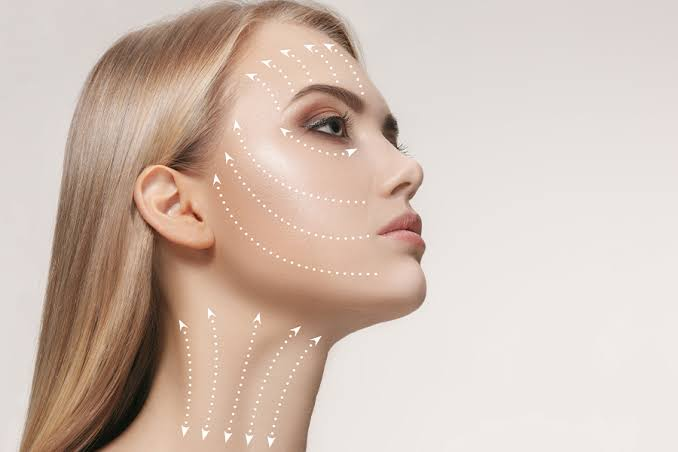
But what exactly is a non-surgical facelift? Rather than a single procedure, it’s a customized combination of minimally invasive treatments designed to tighten skin, restore lost volume, and improve facial contours without incisions. This article provides an overview of the most popular non-surgical facelift procedures available in the U.S. and their associated price ranges.
The Main Types of Non-Surgical Facelifts
Non-surgical facelifts generally fall into three main categories: injectables, thread lifts, and energy-based skin tightening.
1. The Liquid Facelift (Injectables)
This is the most common type of non-surgical facelift. It uses a combination of dermal fillers and neuromodulators to create a lifted, more voluminous appearance.
- Dermal Fillers: These injectable gels, often made of hyaluronic acid (e.g., Juvéderm, Restylane), are used to restore volume to hollowed cheeks, smooth out deep folds like nasolabial folds, and define the jawline.
- Neuromodulators: Brands like Botox, Dysport, and Xeomin are injected to relax the muscles that cause dynamic wrinkles, such as frown lines and crow’s feet.
- Cost: The price of a liquid facelift varies significantly based on the number of syringes and units required. A single comprehensive session typically ranges from $1,500 to $12,000. Most full treatments fall between $2,500 and $5,000. Individual filler syringes cost $600 to $1,500, while neuromodulators are priced at $13 to $25 per unit.
2. Thread Lifts
A thread lift involves inserting temporary, dissolvable sutures (often made of PDO) under the skin. These threads physically lift sagging tissue and stimulate the body’s natural collagen production for a firmer effect over time.
- Cost: The cost depends on the number of threads used and the treatment area. A thread lift can range from $500 to $5,000. More commonly, patients can expect to pay between $1,200 and $2,500 for a full-face treatment. For specific areas like the neck, prices may be higher, ranging from $4,500 to $5,000.
3. Energy-Based Skin Tightening
These non-invasive devices use energy to heat the deeper layers of the skin, stimulating collagen and elastin production to tighten and firm the skin over time.
- Ultherapy (Ultrasound): This treatment uses focused ultrasound energy to lift and tighten the skin, particularly on the brow, under the chin, and on the neck. A full face and neck treatment can cost between $1,600 and $4,400.
- Radiofrequency (RF) Treatments: Technologies like Thermage and FaceTite use radiofrequency energy for skin tightening. A Thermage treatment can cost $1,500 to $4,500, while a FaceTite procedure averages around $4,848** but can range from **$3,725 to $9,265**. RF microneedling, which combines the technology with micro-needles, typically costs **$900 to $1,800 per session for the full face.

Understanding the Costs
The wide price ranges for these procedures are due to several factors:
- Customization: A non-surgical facelift is not a one-size-fits-all package. The final cost is determined by the specific combination of treatments needed to address a patient’s unique concerns.
- Products Used: Different brands and types of fillers and neurotoxins have different price points.
- Provider Expertise: The skill and experience of the injector or surgeon significantly influence both the result and the price.
- Geographic Location: Prices are typically higher in major metropolitan areas like New York City or Beverly Hills compared to other regions.
It is also crucial to consider that these are temporary solutions. Results from Botox last 3-4 months, fillers can last 6-18 months, and thread lifts may last 1-3 years. While the upfront cost is lower than a surgical facelift (which can cost $20,000 to $50,000+), ongoing maintenance treatments mean the long-term financial commitment can add up over time.
Conclusion
Non-surgical facelifts offer a compelling alternative for individuals seeking facial rejuvenation without the risks, scars, and downtime associated with surgery. With a wide array of injectable, thread, and energy-based options available, patients can achieve natural-looking results tailored to their specific needs and budget. However, it is essential to have realistic expectations and understand that these procedures provide temporary improvements that require maintenance. Consulting with a board-certified dermatologist or plastic surgeon is the first and most critical step in determining the most suitable and cost-effective plan.