Immigration processes can involve forms, supporting documents, eligibility requirements, deadlines, and different application pathways. Immigration services may help individuals better understand available options, organize paperwork, and prepare for each stage of the process. Learning how these services work can make complex procedures easier to follow.
Explore Common Immigration Pathways
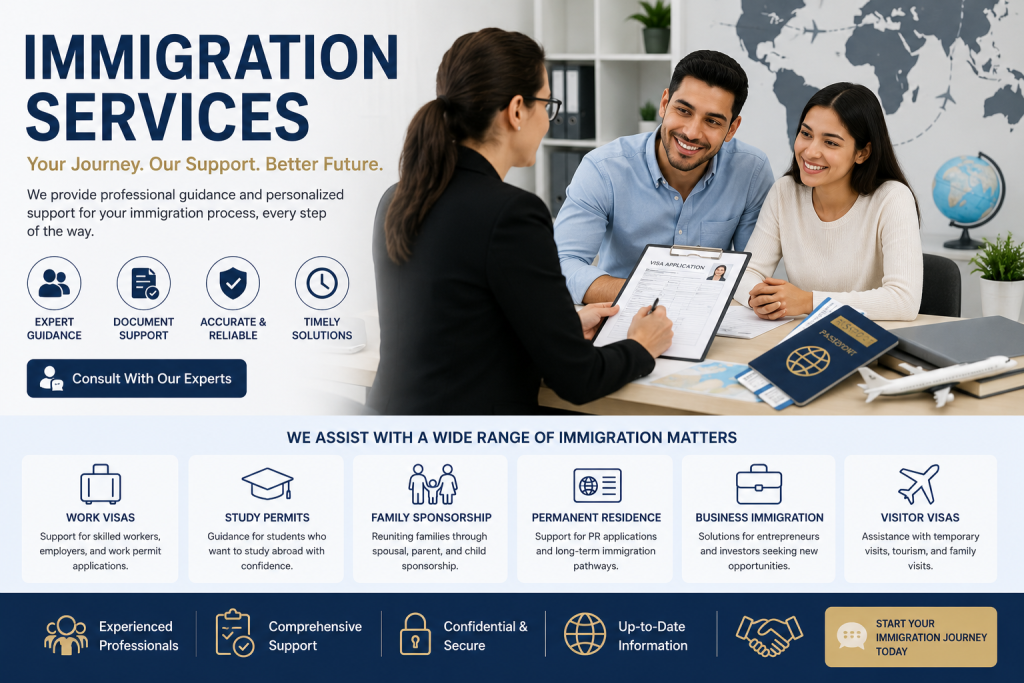
Immigration pathways can vary depending on the destination country, purpose of travel, personal background, and length of stay. Common categories may include work visas, study permits, family sponsorship, permanent residence, business migration, visitor visas, and citizenship applications.
Each pathway usually has its own eligibility rules. Applicants may need to provide identity documents, financial records, employment information, education history, language test results, medical records, or proof of family relationships. Some applications may also require interviews, background checks, or biometric information.
Understanding the correct application category is an important first step. Applying through the wrong pathway or submitting incomplete information may cause delays or additional requests. Reviewing official eligibility requirements before starting can help applicants prepare more effectively.
Learn How Immigration Services May Help
Immigration service providers may offer support with document preparation, form completion, application reviews, translation coordination, and general process guidance. Some services focus on a specific area, such as student visas or family sponsorship, while others assist with several immigration categories.
A service provider may help explain which documents are commonly required and how they should be organized. They may also review applications for missing information, inconsistent details, or formatting issues before submission.
However, the level of service can vary. Some providers only offer administrative support, while licensed immigration professionals or legal advisers may provide advice related to immigration law. Applicants should confirm the provider’s qualifications, permitted services, and local regulatory status before sharing personal information or making decisions.
Prepare Important Documents Carefully
Immigration applications often require detailed supporting evidence. Common documents may include passports, birth certificates, marriage records, employment letters, bank statements, educational certificates, accommodation information, and travel history.
Documents may need to meet specific formatting, translation, certification, or validity requirements. For example, some authorities may request officially translated copies or documents issued within a certain time period. Names, dates, and personal details should be consistent across all forms and supporting records.
Creating a document checklist can make the process more manageable. It may also be helpful to keep digital and physical copies of submitted forms, receipts, reference numbers, and correspondence from immigration authorities.
Understand Processing Times and Application Stages
Processing times can differ widely depending on the visa type, destination, application volume, and individual circumstances. Some applications move through several stages, including initial review, document requests, background checks, interviews, medical examinations, and final assessment.
Published processing times are usually estimates rather than guarantees. Applications may take longer when additional evidence is requested or when information needs further verification.
Applicants should monitor official communication channels and respond to requests within the stated timeframe. Missing a notice or submitting information late may affect the application. Keeping contact details updated can also help ensure that important messages are received.
Compare Service Providers Before Choosing
When comparing immigration services, review the provider’s experience, qualifications, communication methods, privacy procedures, and service scope. Clear providers should explain what they can and cannot do, what documents are needed, and which parts of the process remain the applicant’s responsibility.
Be cautious of services that promise guaranteed approval, special access, or unusually fast results. Immigration decisions are generally made by government authorities, not private service providers.
It is also useful to request written information about the service arrangement, including what support is included. Applicants should understand how personal documents will be stored and whether information may be shared with third parties.
Use Official Information Alongside Professional Support
Official immigration websites are important sources for current application forms, eligibility rules, document requirements, and policy updates. Even when using a service provider, applicants should review official guidance and confirm that the information they receive is current.
Immigration rules can change, so older instructions may no longer apply. Checking official updates before submission can reduce the risk of relying on outdated information.
Professional support may make the process easier to understand, but applicants remain responsible for providing complete and accurate details. False information, missing records, or incorrect declarations may create serious problems during assessment.
Explore Immigration Service Information
Immigration services can help applicants organize documents, understand application stages, and compare different pathways. The most suitable type of support depends on the destination, visa category, and complexity of the application.
Learn more about immigration services, document preparation, visa pathways, and application support before deciding on the next step.