Laser welding machines and metal joining systems have revolutionized the manufacturing process across various industries. But what exactly do these technologies entail? How do they differ from traditional welding methods? Who benefits the most from these advancements? This comprehensive guide answers these questions while exploring key aspects such as technology, advantages, applications, challenges, and maintenance. Prepare to gain insights that will broaden your understanding and appreciation of these sophisticated systems.
The technology behind laser welding
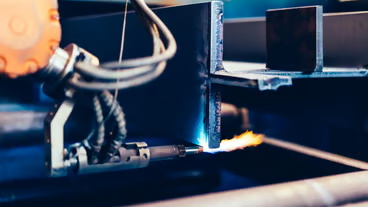
At the heart of laser welding technology is a focused beam of light that generates high temperatures. This intense heat melts the materials being joined, allowing for a seamless bond once they cool down. Laser welding can be applied in multiple ways, including conduction, deep penetration, and keyhole welding, each serving different purposes based on material thickness and type.
Laser welding machines are equipped with various components such as the laser source (often a CO2 or fiber laser), a beam delivery system, and focusing optics. The output power of these lasers can range from several hundred watts to over 10,000 watts, depending on the application needs. Equipment is typically controlled by advanced software that allows precision in targeting and operation settings, minimizing defects and inconsistency in weld quality.
Benefits of laser welding systems
One notable advantage of laser welding is its speed. The focused energy of lasers allows for faster welding rates compared to traditional methods like MIG or TIG welding. For instance, companies have reported production speed increases of up to 50%, making it a preferred choice for manufacturers looking to enhance efficiency.
Another significant benefit is the precision of the welds. Laser welding generates minimal heat affected zones (HAZ), resulting in less distortion and a more refined finish. This level of precision is crucial in industries like automotive and aerospace, where high-quality joins are mandatory for safety and performance. Additionally, this technology supports automation, making it ideal for robotic applications, further enhancing productivity and repeatability.
Applications in various industries
Laser welding machines are widely used across multiple industries. In automotive manufacturing, for example, lasers are utilized to join thin sheets of metal, producing lightweight and strong components. This contributes to fuel efficiency and performance in vehicles.
The electronics industry also leverages this technology for assembling delicate components. Laser welding can be used to bond microcircuits and connections with minimal thermal stress, thereby preserving the integrity of sensitive materials. Furthermore, industries dealing with medical devices benefit from laser welding for precise joins that ensure sterility and reliability in medical applications.
Challenges and limitations
Despite the numerous benefits, laser welding presents challenges. One major obstacle is the initial investment cost. The purchase and setup of laser welding machines can be considerably higher than traditional welding equipment. This upfront cost may deter some businesses, particularly small manufacturers, from adopting the technology.
Moreover, certain materials may pose difficulties in laser welding. For example, reflective metals like aluminum and copper can reflect laser light, making it challenging for effective welding. To address this, manufacturers may need to use special laser types or modify their techniques, which can complicate the process and increase costs. Training staff for efficient operation and maintenance is also an additional requirement, which can further complicate the transition to laser welding systems.
Best practices for maintenance and operation
To maximize the lifespan and efficiency of laser welding machines, proper maintenance is crucial. Regular inspection and cleaning of lenses and optics are essential to maintain the quality of the laser beam. Any dust or debris can impair performance and lead to subpar welds.
Additionally, keeping the software updated is vital for ensuring optimal operation. Manufacturers often release updates that enhance functionality or address known issues. Operators should also be trained to monitor the welding process closely and conduct routine checks to catch any irregularities early on. Having a detailed maintenance schedule helps prevent downtime and ensures reliable production output, making the transition to laser welding smoother for any business.
Laser welding machines and metal joining systems stand at the forefront of innovation in manufacturing technology. They offer remarkable speeds, precision, and adaptability to various industries, from automotive to electronics. While challenges remain, particularly concerning costs and specific material compatibility, the overall advantages often outweigh these barriers. The importance of proper operation and maintenance cannot be overstated, and adopting best practices can significantly enhance productivity. As technology continues to evolve, laser welding is likely to play an even more significant role in the future of manufacturing.