Finland’s warehouses pay forklift operators €1,700–€2,500 a month—yet many applicants stall on one document. The real gap isn’t skill; it’s knowing how certification, permits, and employer rules actually work.
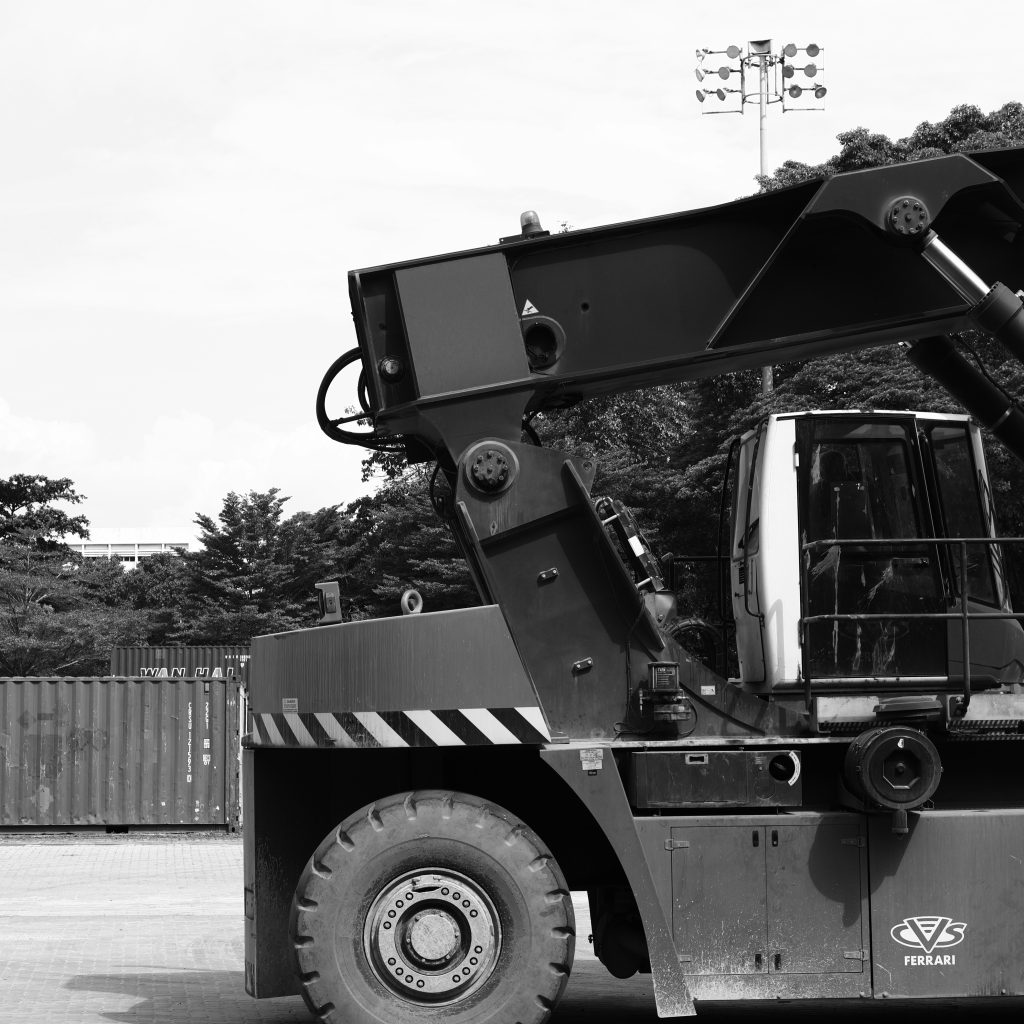
Working as a Forklift Driver in Finland: Certification, Pay, and Safety Essentials
€1,700 to €2,500 a month is the realistic full-time band for many forklift operators in Finland once you clear probation. That is not a lifestyle fantasy—it is logistics pay in a market that still has open warehouse shifts, cold-chain terminals, and port traffic that needs trained drivers every week. The catch is simple: Finnish employers do not treat a foreign card, a casual online course, or a vague claim of experience as automatic clearance. You need the right authorization, the right machine familiarity, and a paper trail that survives labour market testing.
This guide is informational. It does not sell training, visas, or jobs. It maps how the work is structured, what forklift driver certification looks like in practice, how forklift safety is enforced on site, and where pay and permits collide for people who want to operate a warehouse forklift in Finland.
What Working as a Forklift Driver in Finland Actually Involves
A forklift driver in Finland is not a generic warehouse helper with a licence on the wall. You move pallets, feed production lines, load trailers, stage outbound freight, and keep aisles clear under tight time windows. In larger hubs, a single shift can mix counterbalance work in the yard with reach-truck work in narrow racking—or hand-off to a stand up forklift for high-pick lanes. The physical load is real: cold halls, repetitive turns, vibration, and long standing hours. The financial load is also real if you underestimate housing near Helsinki, Tampere, Turku, or the logistics belt around Vantaa.
Daily tasks and shift patterns
Most operators rotate between inbound put-away, order staging, and outbound loading. Night and weekend shifts are common because trucks do not wait for office hours. A typical full-time contract sits near 37.5–40 hours per week under collective agreements in logistics and industry, with overtime multipliers when peak season hits. If you are comparing this to seasonal farm work, the math is straightforward: year-round warehouse demand beats three months of field pay, but it also means your sleep schedule becomes part of the job.
Large logistics operators such as DB Schenker run multi-site networks where forklift work is standardized—checklists, traffic rules inside the hall, and documented near-miss reporting. National postal and parcel flows under Posti push similar intensity during peak retail periods, when a late trailer can cost the whole sortation plan. Those environments reward people who treat forklift safety as non-negotiable, not as a poster on the wall.
Equipment you will actually meet
Finnish warehouses lean heavily on electric fleets for indoor air quality. You will see counterbalance forklifts (vastapainotrukki), reach trucks (työntömastotrukki), electric pallet trucks (lavansiirtovaunu), and order pickers (keräilytrukki). A stand up forklift is common where operators need fast aisle entry and frequent dismounts. Specialty sites may run multi-directional machines from makers such as Combilift for long loads, or heavy-duty solutions associated with Meclift when standard capacity is not enough.
Fleet brands matter because each control layout is slightly different. Toyota Material Handling Finland equipment is widespread in industrial sites; Jungheinrich and Mitsubishi Forklift Trucks units show up across rental and owned fleets. Finnish-rooted names such as Rocla and dealers like Sigma Trukit appear in local supply chains. None of that replaces training—it only explains why employers ask which machine types you have already driven.
Forklift Driver Certification and the Trukkikortti Path
Here is the number most people get wrong: a foreign forklift card is not a magic key. In Finland, employers must ensure operators are trained and authorized for the specific work environment. The practical market standard is the Trukkikortti (forklift safety card) pathway—classroom theory, practical handling, and employer-specific familiarization. Call it forklift driver certification, forklift driver training, or forklift operator certification; the outcome employers care about is documented competence plus permission to use their trucks.
What the forklift safety card covers
A solid forklift driver training package usually includes load stability, mast and fork control, pedestrian awareness, racking interaction, battery or LPG handling basics, and site traffic rules. Finnish occupational safety culture is strict: if you tip a load or ignore a stop line, you do not get a friendly shrug. You get a report. That is why forklift safety training is treated as a baseline skill, not a nice-to-have.
Training providers and adult-education routes—including organizations such as Jatkokoulutus—run forklift safety card training (trukkikorttikoulutus) aimed at warehouse entrants. Some programmes advertise a forklift safety card online course for theory components. Online forklift certification can help with knowledge checks, but it does not replace hands-on assessment on a real machine. If someone sells you a “print-and-go” card with zero practical evaluation, treat that as a waste of money, not a career plan.
How forklift driver license expectations differ from US OSHA language
Search results are flooded with US phrases: osha forklift certification, osha forklift training, osha forklift certification online, us forklift certification, forklift license online, forklift cert. Those terms describe a different regulatory system. Finland is not OSHA. Still, the commercial intent behind osha forklift certification online searches is the same human problem: people want a fast, recognized credential. In Finland, the parallel is structured forklift driver license-style authorization under employer duty of care, often evidenced by Trukkikortti-style documentation and site induction.
If you already hold training from another country, bring the certificates, machine lists, and hours. An employer may still require local forklift driver training refreshers before you touch a stand up forklift or a reach truck on their floor. That is not bureaucracy for sport—it is liability. Inspection and conformity bodies such as Kiwa sit in the broader safety ecosystem for equipment and systems; your personal authorization still starts with training plus employer approval.
Step-by-step path from zero to authorized operator
- Confirm your right to work status (EU/EEA free movement vs non-EU residence permit route).
- Complete recognized forklift driver training with theory and practical evaluation.
- Obtain Trukkikortti-style documentation employers recognize for forklift driver certification.
- Pass employer induction on their fleet, aisles, and emergency rules.
- Get written authorization for the specific truck classes you will operate.
- Log supervised hours before solo night or yard work if the site requires it.
Want a clean multiplier for planning? Budget 1–3 weeks for card-oriented training when courses are available in your city, then another 1–2 weeks for employer onboarding. If you need English delivery, add time—many courses still run primarily in Finnish, and that language gap is one of the most expensive delays foreign applicants face.
Forklift Safety, Equipment Features, and Workplace Rules That Decide Who Stays Employed
Forklift safety is where careers end or compound. Tip-overs, crushed pedestrians, and falling loads are not rare theory cases; they are the reasons sites enforce speed limits, horn use at intersections, and three-point contact when climbing on or off a cab. A warehouse forklift is stable only inside its rated capacity and centre-of-gravity envelope. Raise a heavy load too high, turn too fast, and physics does not negotiate.
Standard safety protocols on Finnish sites
Expect pedestrian walkways, designated crossing points, mirrors at blind corners, and forklift safety signs that are not decorative. High-visibility clothing, safety shoes, and hearing protection in noisy halls are baseline. Seat belts on sit-down trucks are not optional fashion. On a stand up forklift, keep feet inside the operator compartment and never ride with a second person on the forks. Battery rooms have their own rules: eye wash stations, ventilation, and no open flames near charging.
- Pre-shift inspection: brakes, horn, lights, forks, chains, leaks, tyre condition.
- Load check: weight vs capacity plate, secure pallets, no blocked vision.
- Travel rules: forks low, mast tilted back when loaded, no riders on the forks.
- Pedestrian priority: stop at crossings, horn at doorways, eyes on mirrors.
- Parking: forks down, controls neutral, parking brake on, key secured per site policy.
Cherry picker forklift-style elevated work and man-up order picking add fall-protection requirements. If the task is not pure pallet movement, ask for the exact attachment training. Employers who skip that step are not doing you a favour; they are transferring risk onto you.
Maintenance culture and why “forklift maintenance near me” shows up in operator life
Operators are not full-time technicians, but they are the first sensors on the machine. Hydraulic drift, unusual noises, soft brakes, or damaged overhead guards are stop-work signals. Searching for forklift maintenance near me is usually an employer problem—service contracts, spare parts, rental swaps—but it becomes your problem the moment a neglected truck fails mid-shift and someone gets hurt.
Rental fleets from companies such as Ramirent keep many sites stocked when owned capacity is short. That can mean you switch machines more often, which is exactly why forklift driver training should emphasize principles over one brand’s joystick layout. A forklift company near me search in a Finnish city will surface dealers, rental desks, and service partners; as an operator, use that landscape to understand which employers invest in maintained equipment versus which ones run trucks until they fail.
Machine types and what “good” looks like in practice
| Equipment / credential | Why it matters on the job |
|---|---|
| Trukkikortti (Forklift Safety Card) | Market-standard proof that you completed structured safety and handling training employers expect to see. |
| Counterbalance forklift (vastapainotrukki) | Core outdoor/indoor pallet mover; often the first machine on yard and dock work. |
| Reach truck (työntömastotrukki) | Narrow-aisle racking specialist; high demand in dense warehouses. |
| Electric pallet truck (lavansiirtovaunu) | Entry-level powered handling; common first step before full mast trucks. |
| Order picker (keräilytrukki) | Piece-picking at height; requires fall awareness and precise positioning. |
| Forklift safety card online course | Useful for theory refreshers; must be paired with practical assessment to be credible. |
If you only know one machine class, say so. Pretending multi-class forklift operator certification you do not have is a fast way to fail a practical test and burn a reference.
Pay, Cost of Living, and the Real Math of a Forklift Career in Finland
€1,300–€1,500 a month during probation or reduced hours is a common early reality. €1,700–€2,500 a month is the working band many full-time operators discuss after they are established, with overtime, shift premiums, and location pushing the top end. That is not Silicon Valley money. It is also not pocket change if your alternative is lower-wage work at home. Run the math with rent first: shared housing outside the absolute centre beats a pretty address that eats 50% of net pay.
What the wage actually buys
Take a mid example: €2,100 gross. After tax and social contributions, your net depends on municipality and deductions, but the discipline is the same—track housing, food, transport, and phone as fixed costs before you celebrate. If rent is €700–€900 and you still clear enough to save 10–15%, the job is working. If rent is €1,200 and every extra hour just services living costs, you are running in place. That is not pessimism; it is arithmetic.
Career progression multiplies the base. Operators who add reach-truck skill, team-lead responsibility, or logistics vocational study (logistiikan ammattitutkinto) move into higher bands faster than people who only drive the same counterbalance truck for five years. Forklift trainer certification is a later commercial path for experienced operators who want to teach rather than only drive—higher hourly rates in training environments, but it requires proven competence and instructional skill, not just a card photocopy.
Visa, labour market testing, and employer sponsorship realities
For non-EU applicants, the residence permit for an employed person route is the gate. Employers may need to show they could not fill the role from the labour market already available in Finland/EU under the rules that apply at the time of application. That process is slower than a social-media job ad suggests. EU/EEA citizens skip the residence-permit maze but still face language screens and certification checks.
Services marketed as visa sponsorship and work permit assistance exist around recruitment, but the legal decision sits with authorities and the employment relationship must be real. For forklift roles, sponsorship is more common where shortages are documented and the employer already runs foreign-worker onboarding. Cold-emailing random companies with “need visa” and no forklift driver certification proof is a low-percentage strategy. High-percentage strategy: card + machine list + clean CV + target employers who already hire international warehouse staff.
How to Move From Interest to a Stable Forklift Role
Curiosity is cheap. A hireable profile is specific. You need proof of forklift driver training, a clear list of truck types, availability for shifts, and a plan for language. Finnish is a career accelerator even when English is enough to start on some sites. English-only applicants can enter, but they compete harder and hit a ceiling faster when team briefings, safety updates, and union materials stay in Finnish.
Job search moves that actually convert
- Build a one-page CV with machine types, hours, and safety card dates at the top.
- Target logistics parks near major roads and airports, not only city-centre listings.
- Apply to staffing firms that place warehouse operators while you also apply direct.
- Ask every interviewer which forklift classes you will drive in week one.
- Confirm whether they fund forklift safety training or require the card first.
- Negotiate shift pattern and overtime rules before you accept—those numbers change take-home pay more than a €50 base difference.
When employers mention fleet partners, listen. A site that invests in maintained trucks from established suppliers is usually a site that invests in training. A site that treats forklift maintenance near me as a constant emergency is a site where downtime and accidents cluster. Choose the first when you can.
Related skills that raise your value without changing careers
Warehouse management system scanning, basic load securing, first-aid cards, and clean driving records all stack. If you later want forklift trainer certification, document years of incident-free operation and any mentoring you already do on shift. Online forklift certification modules can refresh theory before a practical retest, but employers still want hands-on proof. Keep certificates dated and readable; a blurry photo of a forklift driver license from five years ago without machine detail is weak evidence.
Finally, treat this as a systems job, not a “just drive” job. The people who last combine forklift safety discipline with reliable attendance and the patience to learn site-specific rules. Finland’s logistics labour shortage creates openings. It does not create shortcuts around competence. Get the training right, know your machines, respect the safety envelope, and the wage band stops being a rumour and becomes a monthly deposit.
If you are comparing pathways, keep the hierarchy straight: legal right to work, recognized forklift driver certification, practical machine competence, then employer match. Reverse that order and you will spend months applying for roles you cannot legally or safely start. Get the order right and a warehouse forklift career in Finland becomes a concrete plan with numbers attached—not a hopeful scroll through job ads.